The Noncommissioned Officer (NCO) Creed—an eight‑line oath that emphasizes loyalty, duty, and leadership—has long been recited in drill halls across the United States. Yet reciting the creed is only half the battle; the real test lies in turning those words into daily conduct. This article breaks down the practical advantages, inevitable trade‑offs, and realistic expectations for soldiers and civilian leaders who aim to live the creed rather than merely quote it.
Why the Creed Matters Today
Born in the post‑Vietnam era, the NCO Creed was crafted to forge a common identity among enlisted leaders. Its core tenets—“I will lead by example,” “I will never compromise my integrity,” and “I will protect those I am charged to lead”—serve as a moral compass in an increasingly complex operational environment. For everyday service members, the creed offers a quick reference point when ethical dilemmas arise, from handling equipment shortages to navigating interpersonal conflict.
Concrete Benefits of Living the Creed
Enhanced Trust Within Units
- Predictable behavior: When NCOs consistently align actions with the creed, subordinates know what to expect, reducing uncertainty during high‑stress missions.
- Credibility boost: Demonstrating integrity on the ground—such as admitting a mistake before a senior officer—strengthens the leader’s reputation and accelerates career progression.
Improved Decision‑Making Speed
- Built‑in checklist: The creed’s eight statements act as a mental shortcut, allowing leaders to weigh options without lengthy deliberation.
- Reduced hesitation: In combat or emergency scenarios, an internalized creed eliminates the “analysis paralysis” that can cost lives.
Trade‑Offs and Common Pitfalls
While adopting the creed yields clear gains, it also introduces challenges that can undermine its value if left unchecked.
Risk of Tokenism
- Some units treat the creed as a formality, reciting it without reflecting on personal accountability. This superficial compliance can erode morale when junior troops perceive a disconnect between words and actions.
- To avoid this, leaders must pair each recitation with a visible, measurable outcome—such as a “creed‑to‑action” log that records concrete steps taken during the week.
Balancing Compassion with Discipline
- “I will not accept excuses” can be misread as a lack of empathy, especially when soldiers are coping with personal stressors.
- Effective NCOs interpret this line as “I will hold standards firm while providing genuine support,” merging discipline with the human‑centered approach the creed encourages.
Realistic Expectations for the Modern Soldier
Transitioning from theory to practice is a gradual process. New NCOs should anticipate a learning curve that includes missed opportunities, corrective feedback, and occasional setbacks. The creed does not promise instant respect; it demands consistent, incremental effort.
- Short‑term: Expect to face scrutiny from senior NCOs as you test the creed against real‑world dilemmas.
- Mid‑term: As actions align with the creed, peer confidence typically rises, leading to smoother mission execution.
- Long‑term: A reputation built on creed‑driven behavior can open doors to mentorship roles and advanced leadership courses.
Step‑by‑Step Guide to Embedding the Creed
- Personal audit: Write down each line of the creed and identify one recent action that reflected it—and one that fell short.
- Weekly reflection: Allocate 10 minutes during the unit’s staff meeting to discuss “creed moments,” encouraging open dialogue.
- Mentor matching: Pair junior NCOs with seasoned mentors who model the creed daily; mentorship accelerates habit formation.
- Accountability partners: Create small groups that hold each other to the creed’s standards, using simple check‑ins to track progress.
- Celebrate milestones: When an NCO demonstrates consistent creed‑aligned behavior, recognize the achievement in a visible forum—such as a unit newsletter or morning formation.
Implications for the Wider Military Community
When the creed moves from a ceremonial chant to a lived practice, its ripple effects extend beyond individual units. Trust between enlisted ranks and officers improves, operational cohesion strengthens, and the overarching culture shifts toward authenticity. Conversely, neglecting the creed’s practical application can perpetuate cynicism and dilute the moral authority of NCOs.
In short, decoding the Noncommissioned Officer Creed is less about dissecting its words and more about forging a reliable bridge to action. By recognizing the tangible benefits, acknowledging the inherent trade‑offs, and setting realistic, step‑wise goals, today’s soldiers can transform a historic oath into a daily engine for professionalism and mission success.
300+ Words That Start With O | Words Starting With O
300+ Words That Start with O | Words Starting with O
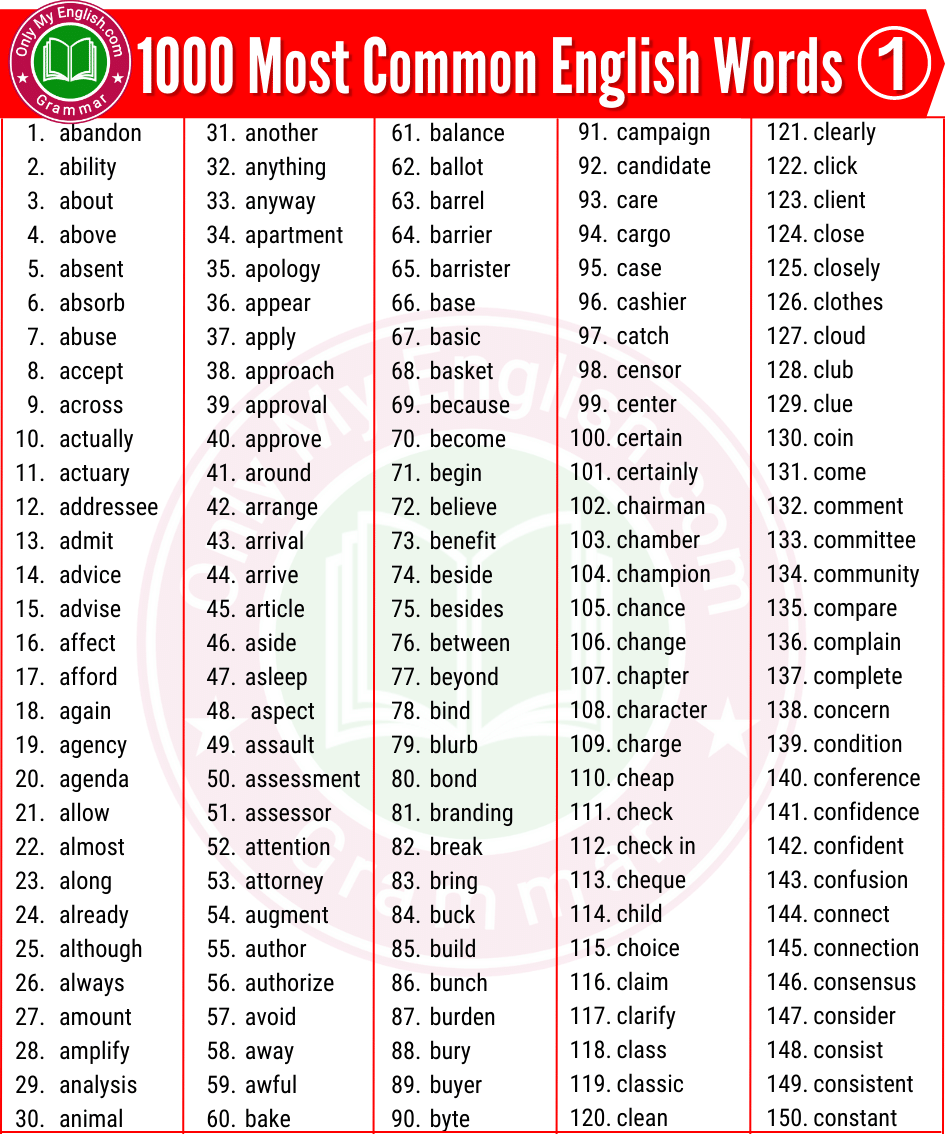
1000+ Most Common Words In English From A-Z • 7ESL

1000+ Most Common Words in English from A-Z • 7ESL
Whats The Word 5 Letters
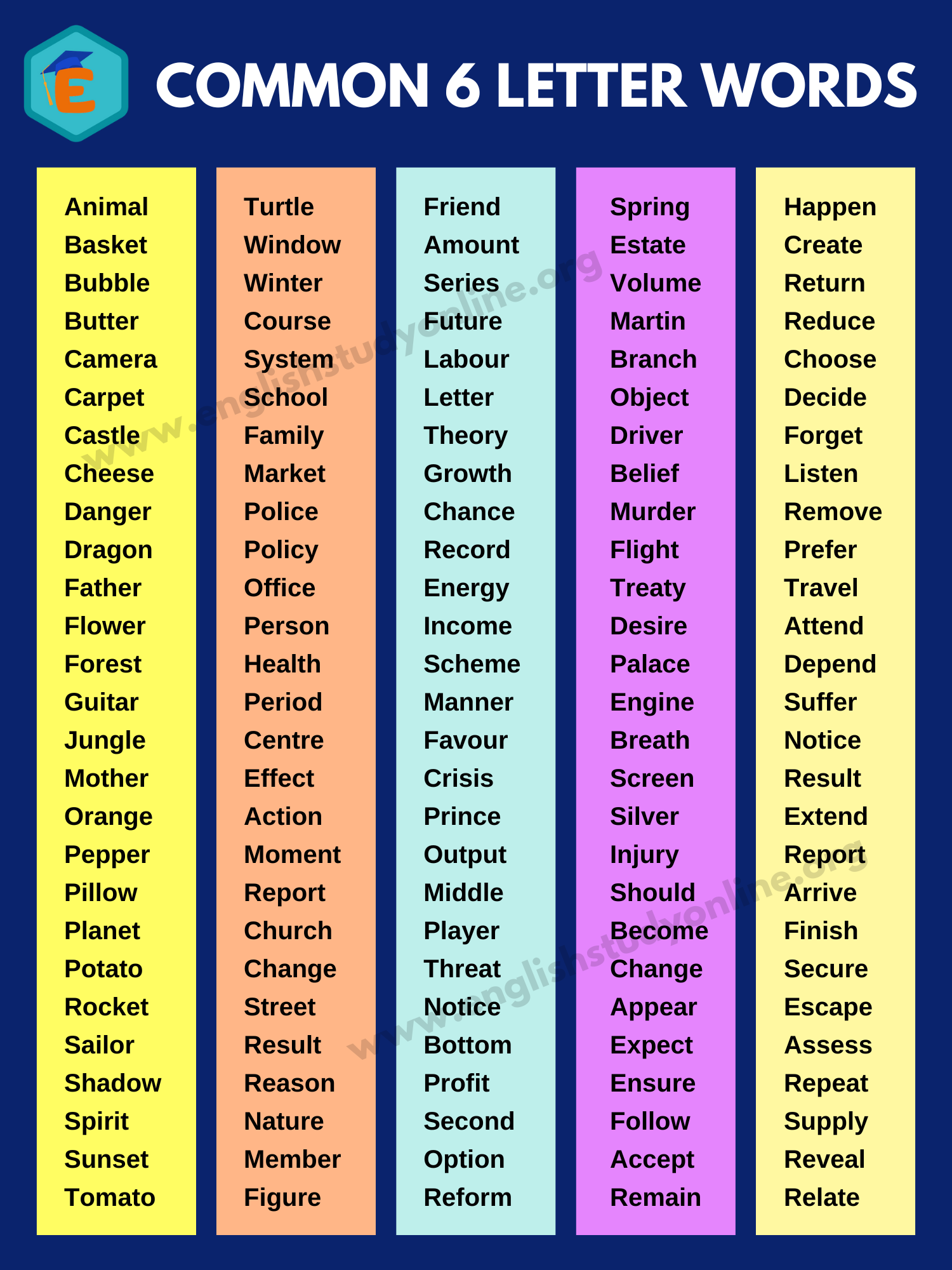
Whats The Word 5 Letters
List Of Sight Words - Jenny Printable

List Of Sight Words - Jenny Printable
Scrabble Word Finder — Expand Your Vocabulary | 7ESL

Scrabble Word Finder — Expand Your Vocabulary | 7ESL