The Traditional Spanish Our Father Prayer, also known as the Padre Nuestro, is a sacred prayer in the Catholic faith that holds deep meaning and significance for many Spanish-speaking communities around the world. Mastering this prayer with proper pronunciation is essential for those who wish to connect with their faith and culture on a deeper level. With the rise of online resources and language learning tools, it has become easier for individuals to learn and practice the Traditional Spanish Our Father Prayer, regardless of their location or linguistic background.
Context and Significance
The Traditional Spanish Our Father Prayer has its roots in the Catholic Church and is based on the Lord's Prayer found in the Gospel of Matthew. The prayer is a beautiful expression of devotion, gratitude, and surrender to God's will, and its significance extends beyond the religious realm to encompass cultural and historical aspects as well. For many Spanish-speaking individuals, reciting the Padre Nuestro is a way to connect with their heritage and traditions, and to honor their ancestors who have passed down the prayer through generations.
Details and Pronunciation
To master the Traditional Spanish Our Father Prayer with pronunciation, it is essential to focus on the correct articulation of words, intonation, and rhythm. The prayer begins with the words "Padre nuestro, que estás en los cielos" (Our Father, who art in heaven), and continues with a series of petitions and expressions of praise. Some key phrases to practice include "santificado sea tu nombre" (hallowed be thy name), "venga tu reino" (thy kingdom come), and "hágase tu voluntad" (thy will be done). 
When practicing the prayer, it is crucial to pay attention to the pronunciation of vowels and consonants, as well as the stress patterns and syllable emphasis. For example, the word "Padre" is pronounced with a stress on the first syllable (PA-dre), while the word "nuestro" is pronounced with a stress on the second syllable (nu-EStro). By listening to native speakers and practicing regularly, individuals can improve their pronunciation and develop a more authentic and meaningful connection with the prayer.
Use Cases and Scenarios
Mastering the Traditional Spanish Our Father Prayer with pronunciation can be useful in a variety of contexts and scenarios. For example, individuals who are preparing for a religious ceremony or sacrament, such as a baptism or wedding, may want to practice the prayer to feel more confident and connected to their faith. Additionally, those who are traveling to Spanish-speaking countries or participating in cultural events may want to learn the prayer as a way to show respect and appreciation for the local traditions. 
In everyday life, reciting the Traditional Spanish Our Father Prayer can be a powerful way to cultivate mindfulness, gratitude, and spiritual growth. By incorporating the prayer into daily routines, such as before meals or before bed, individuals can develop a greater sense of calm and inner peace, and connect with their faith and community on a deeper level.
Conclusion
In conclusion, mastering the Traditional Spanish Our Father Prayer with pronunciation is a rewarding and enriching experience that can deepen one's faith, culture, and spiritual practice. By focusing on correct pronunciation, practicing regularly, and incorporating the prayer into daily life, individuals can develop a more meaningful and authentic connection with the Padre Nuestro, and cultivate a greater sense of mindfulness, gratitude, and inner peace.
Master Vijay HD Wallpapers - Wallpaper Cave
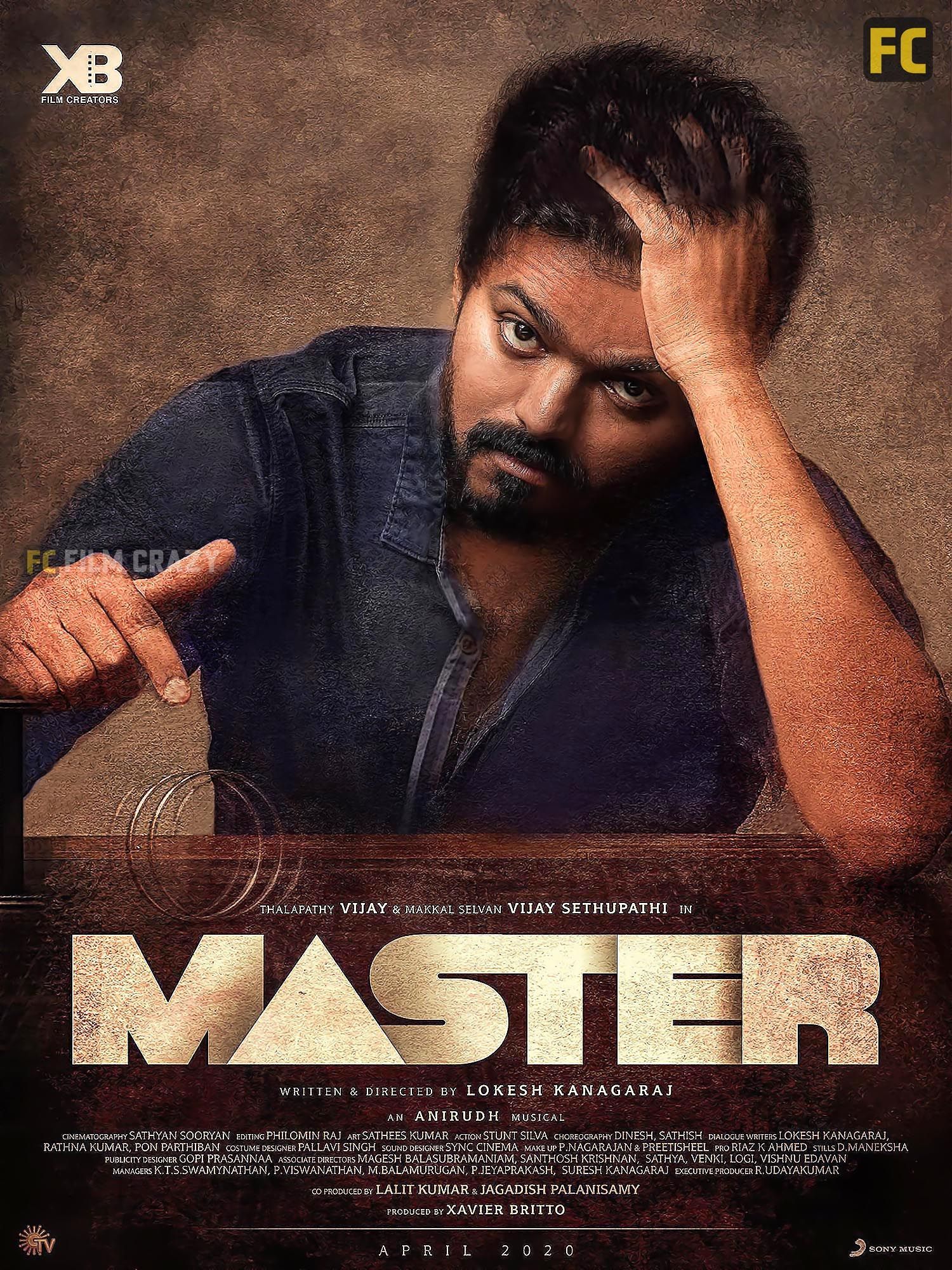
Master Vijay HD Wallpapers - Wallpaper Cave
Thalapathy Vijay’s 2021 Hit Film Master To Re-release Tomorrow | Movies

Thalapathy Vijay’s 2021 Hit Film Master To Re-release Tomorrow | Movies ...
Master (2021)

Master (2021)