Billboard's music charts have long been the benchmark for success in the music industry. With over 65 years of tracking the most popular songs, albums, and artists in the United States, the charts serve as a valuable resource for fans, industry professionals, and even record labels. But have you ever wondered how these charts are created and what factors drive the rankings? Let's take a closer look at the world of Billboard's music charts and uncover some of the secrets behind their enduring popularity.
Creating the Charts
The Billboard charts are a culmination of data collected from various sources, including album sales, song downloads, streaming activity, and radio airplay. These metrics are then weighted and combined to produce a comprehensive ranking system. According to Billboard, the charts are calculated weekly, with each metric accounting for a significant portion of the overall score. For example, the Billboard Hot 100 chart gives equal weight to song downloads and streaming activity, while the Hot Country Songs chart places more emphasis on radio airplay.
The Impact of Streaming
With the rise of streaming services like Spotify and Apple Music, the music industry has undergone a significant shift in the way music is consumed. Now, more than ever, streaming activity plays a crucial role in determining a song's chart performance. According to a recent article by the Georgia Coalition Against Domestic Violence, the Duluth Model has become increasingly relevant in understanding the dynamics of family violence. Though there isn't a direct correlation between music charts and domestic violence, this image illustrates the growing importance of understanding the impact of cultural factors on societal structures. 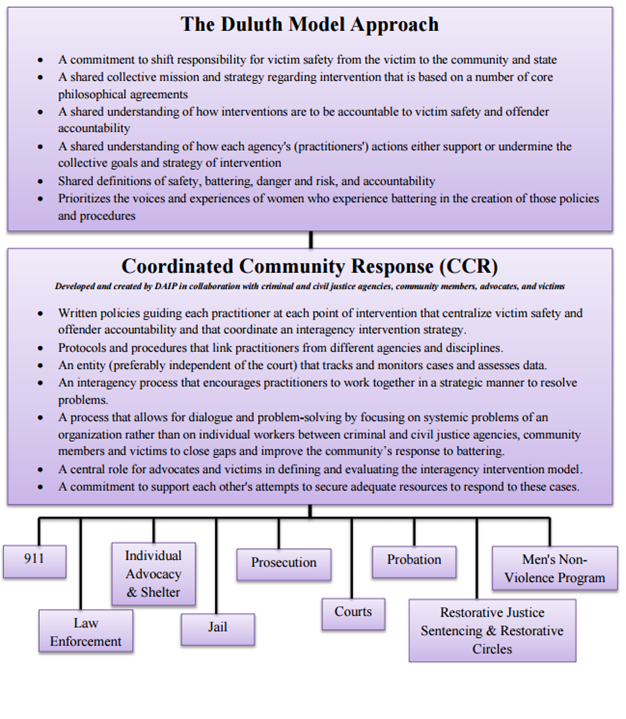
As a result, artists and labels are now placing greater emphasis on streaming-friendly content, such as shorter song lengths and catchy melodies. This shift has also led to a proliferation of playlist culture, where popular playlists like Spotify's RapCaviar and Apple Music's New Music Mix can catapult songs into the charts with relative ease.
Debunking Common Myths
One common misconception about Billboard's charts is that they are solely driven by sales data. While sales do play a role, the charts are actually a more complex reflection of the music industry's diverse landscape. In reality, the charts are influenced by a wide range of factors, including promotional campaigns, social media engagement, and even radio airplay.
Charting the Future
Real-World Applications
The Billboard charts serve as a valuable resource for music enthusiasts and industry professionals alike. By monitoring chart performance, fans can stay up-to-date on the latest trends and discover new artists. For industry professionals, the charts provide a wealth of data and insights that can inform decision-making and drive success. With the ever-changing music landscape, staying informed about the Billboard charts can give you a competitive edge in the industry.
Conclusion
Billboard's music charts are more than just a reflection of the most popular songs and artists – they're a valuable tool for understanding the ever-changing music industry. By exploring the mechanics behind the charts and debunking common myths, we can gain a deeper appreciation for the complex factors that drive their rankings. Whether you're a music enthusiast or an industry pro, staying informed about the Billboard charts can help you navigate the ever-changing landscape of popular music.
What's Wrong With The Duluth Model For DV Treatment? – Ann Silvers, MA

What's Wrong with the Duluth Model for DV Treatment? – Ann Silvers, MA
Duluth Model & Example | Free PDF Download

Duluth Model & Example | Free PDF Download
PPT - HOPE For Families Experiencing Teen Abuse And Violence Within The

PPT - HOPE for Families Experiencing Teen Abuse and Violence within the ...
Duluth Model Domestic Violence Cycle Of Abuse Facebook, Inc., PNG
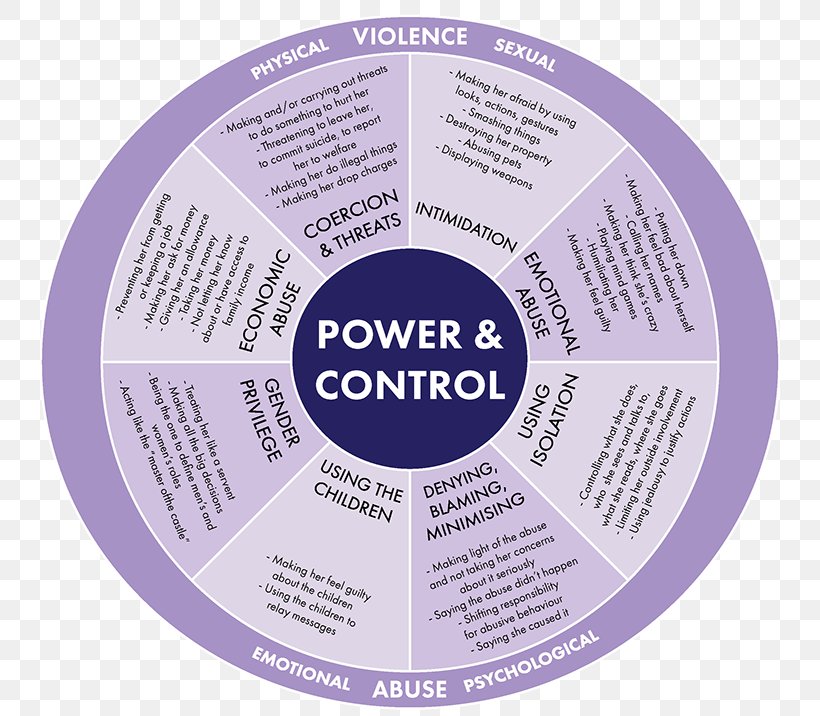
Duluth Model Domestic Violence Cycle Of Abuse Facebook, Inc., PNG ...