Colorado's rapid growth and development have led to increased scrutiny of zoning regulations, prompting cities and towns to rethink their approaches to land-use planning. As the state's population continues to expand, the need for efficient, effective zoning decisions becomes more pressing, and Colorado's unique geography and economic landscape shape the debate.
Understanding Colorado's Unique Challenges
Colorado's mountainous terrain and high desert plains pose distinct challenges for zoning and development. Cities like Denver, Boulder, and Colorado Springs struggle to balance growth with environmental concerns, housing affordability, and the state's iconic natural beauty.
Average temperatures in Colorado's mountain regions drop to freezing temperatures during winter months, but the temperature often reaches 70°F (21°C) in summer. The Colorado state average elevation is more than 6,800 feet (2,070 meters), with some areas going even higher. The state averages 300+ sunny sunny days per year, and Colorado attracts thousands of tourists each year.
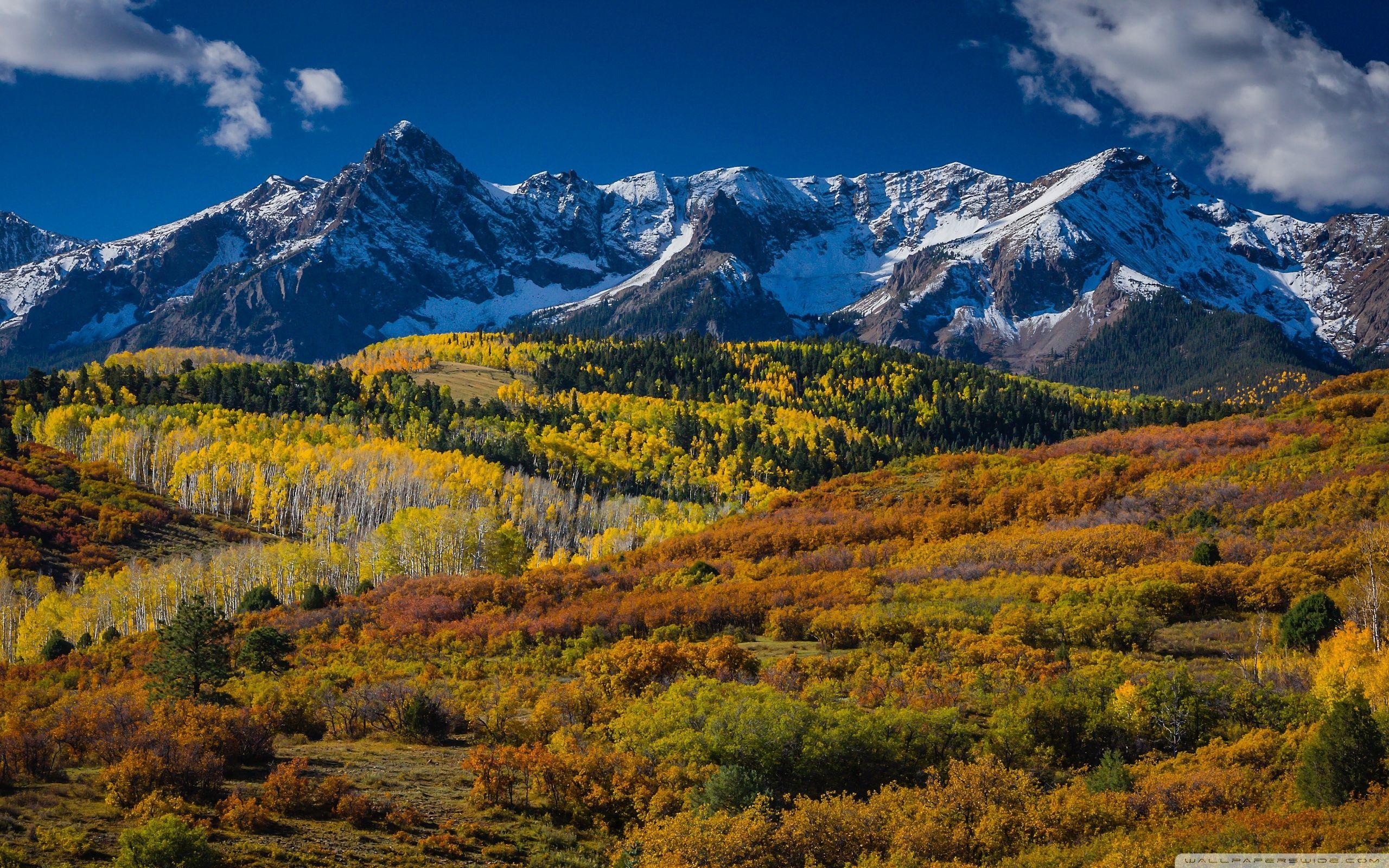
The Role of Local Zoning in Shaping Colorado's Communities
Local zoning regulations play a crucial role in shaping the character of Colorado's communities. Cities like Aspen and Vail, known for their upscale resorts and tourism industries, have implemented stringent zoning laws to preserve their natural beauty and maintain a high quality of life for residents.
In contrast, cities like Denver and Colorado Springs have more flexible zoning regulations, enabling faster growth and development while still striving to balance economic and environmental interests.
-
Zoning Regulations:
Colorado municipalities like Aspen and Vail have implemented zoning laws to preserve natural beauty and maintain a high quality of life for residents.
-
Housing Affordability:
Colorado's rapid growth has led to increased housing costs, making it difficult for low- and moderate-income residents to find affordable housing.
-
Economic Development:
Cities like Denver and Colorado Springs have implemented zoning regulations that support economic growth, while also preserving natural resources and open spaces.
The Future of Zoning in Colorado
As Colorado continues to grow and evolve, it's clear that zoning regulations will play a crucial role in shaping the state's future. With a focus on sustainability, economic development, and community preservation, local zoning decisions will have a lasting impact on the state's character and quality of life.
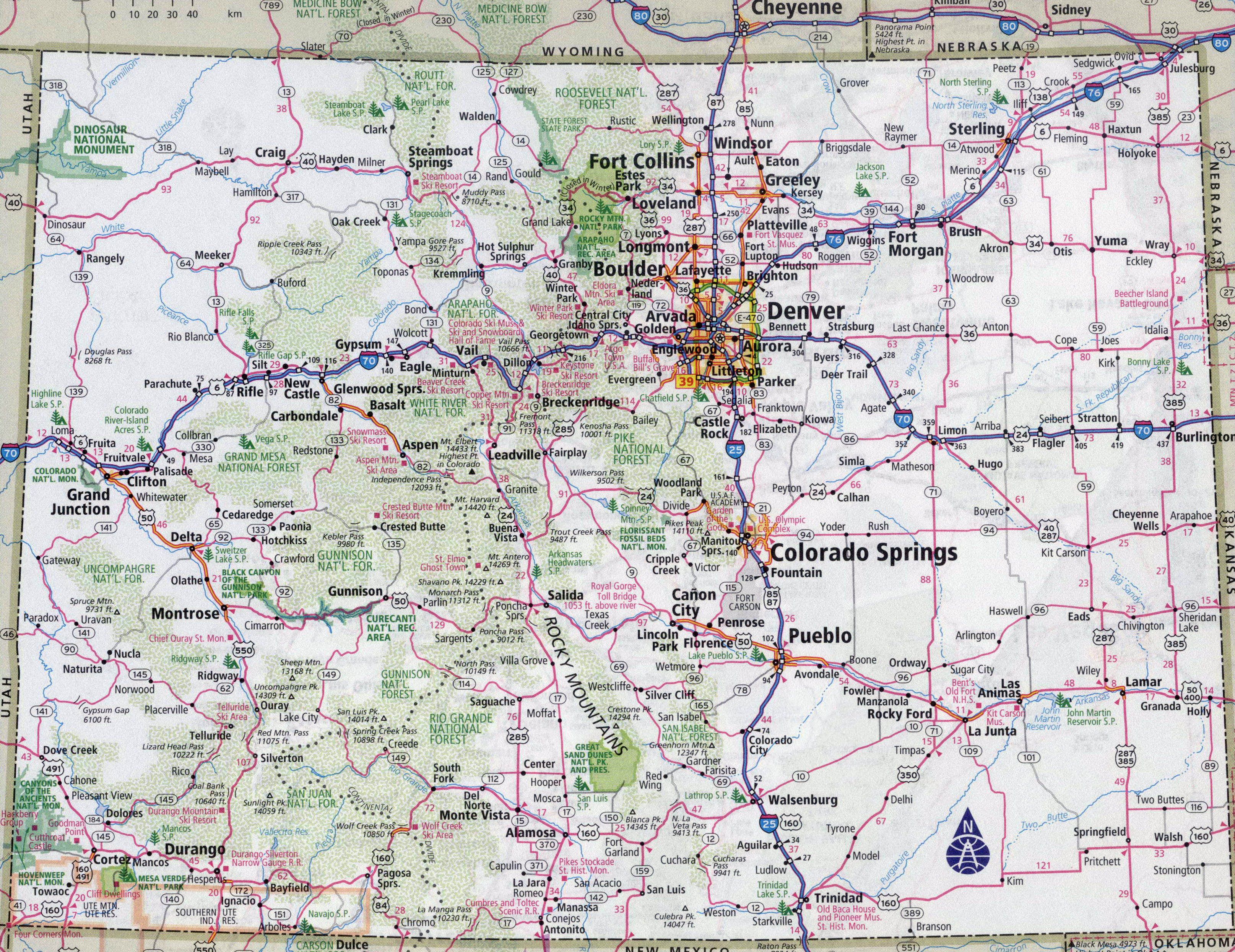
Conclusion
Colorado's unique geography, economic landscape, and population growth have made zoning regulations a pressing concern for local communities. By understanding the challenges and complexities surrounding zoning, Coloradans can work together to create thriving, sustainable, and beautiful communities that preserve the state's natural beauty and quality of life.
🔥 [40+] Colorado Mountains Desktop Wallpapers | WallpaperSafari
![🔥 [40+] Colorado Mountains Desktop Wallpapers | WallpaperSafari](https://cdn.wallpapersafari.com/78/99/tHkcnv.jpg)
🔥 [40+] Colorado Mountains Desktop Wallpapers | WallpaperSafari
Colorado River Region | The 10 Best US Travel Gems Of 2015 | POPSUGAR
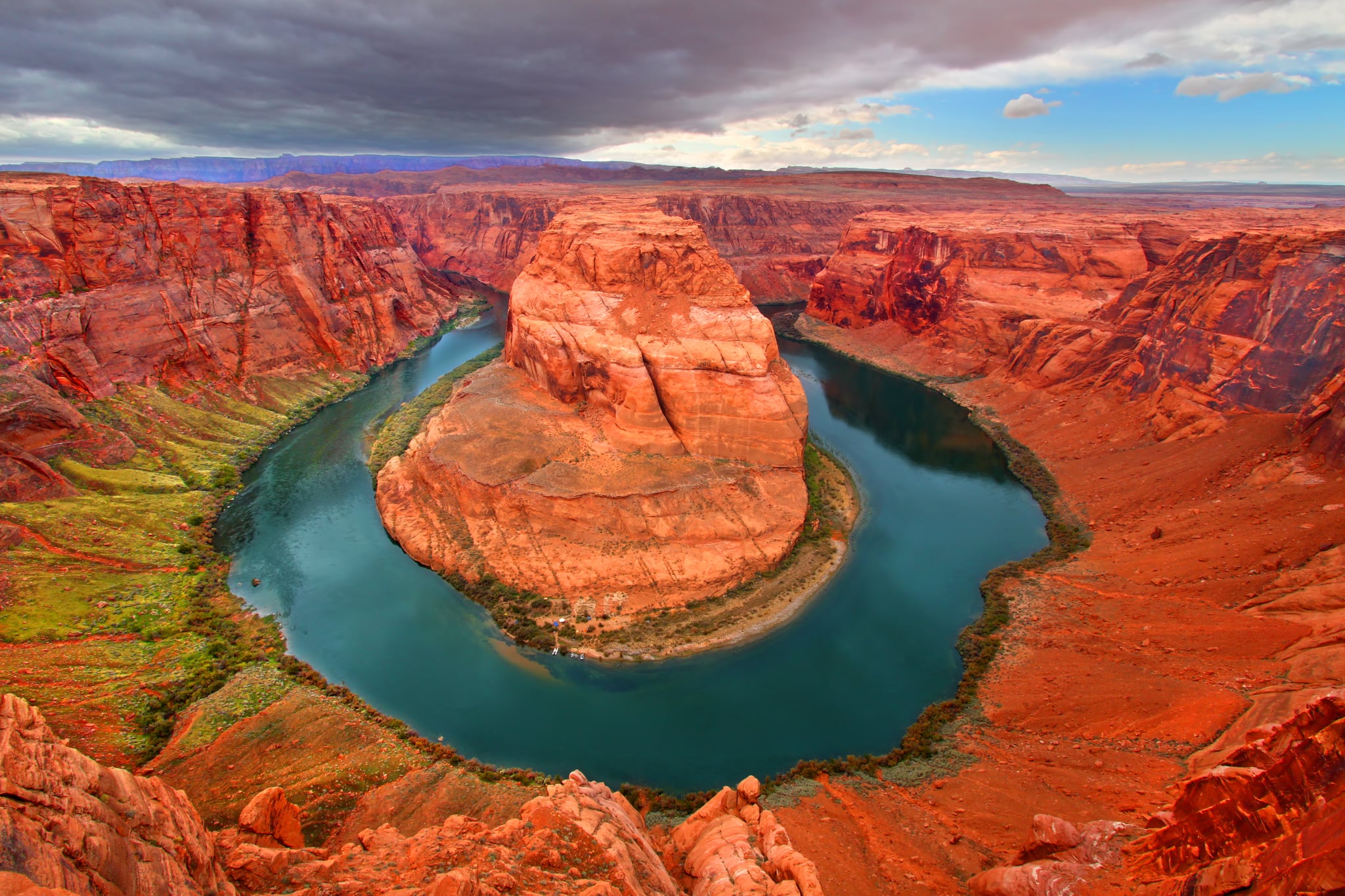
Colorado River Region | The 10 Best US Travel Gems of 2015 | POPSUGAR ...
8 Things To Love About Colorado's Rocky Mountain National Park | HuffPost
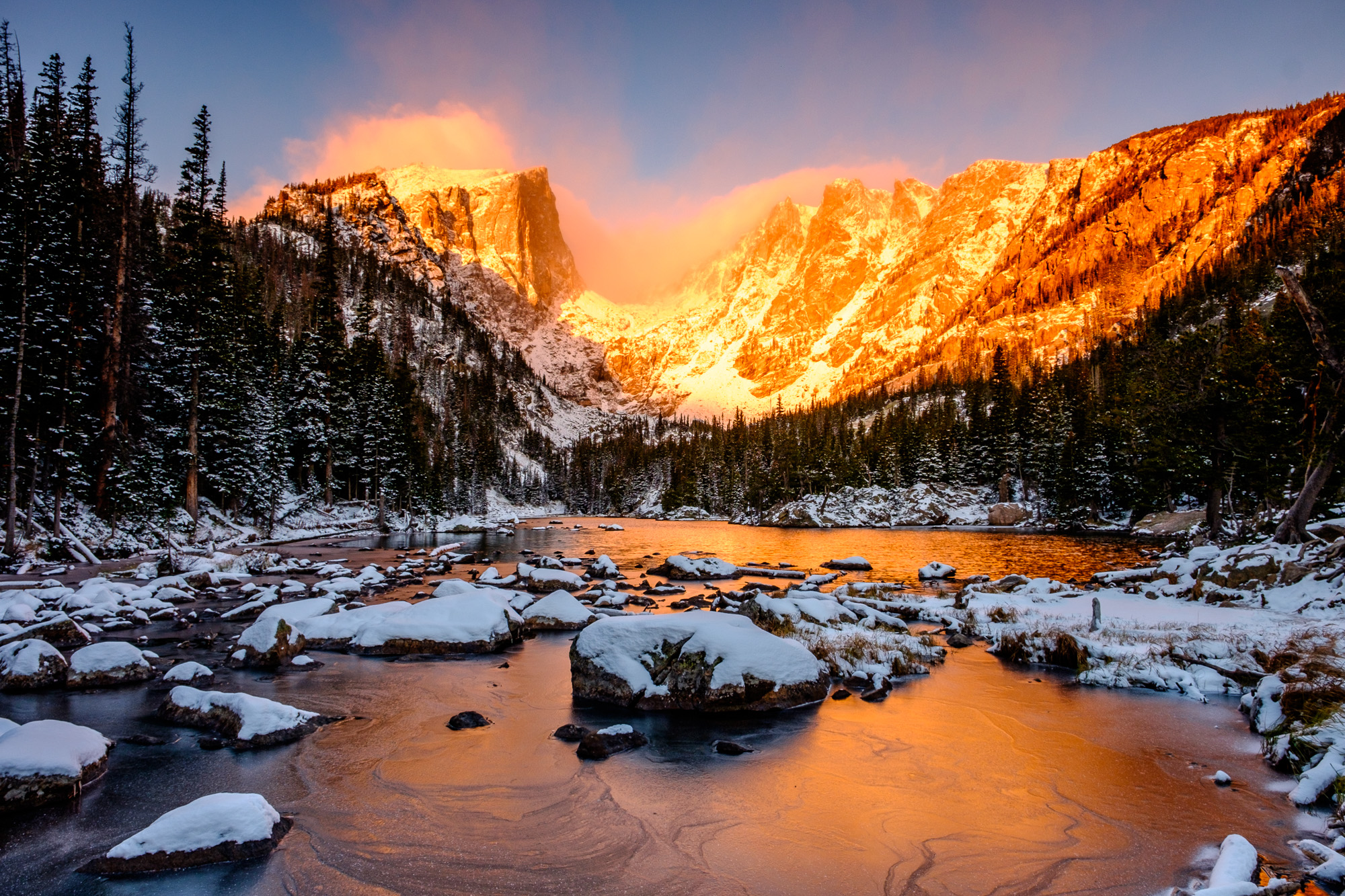
8 Things To Love About Colorado's Rocky Mountain National Park | HuffPost