The Chinese calendar is one of the world's oldest and most enduring astronomical instruments. With a history spanning over 3,000 years, it has undergone numerous adaptations and modifications, yet remains an essential part of Chinese culture and traditions. From its roots in ancient astronomy to its modern applications, the Chinese calendar continues to fascinate and educate people worldwide.
Ancient Foundations and Modern Relevance
The Chinese calendar is based on a combination of lunar and solar cycles. It is a lunisolar calendar, taking into account the cycles of the moon and the sun to create a unique system of timekeeping. This intricate system allows the Chinese calendar to accurately predict lunar eclipses, solar cycles, and the timing of important cultural events like the Chinese New Year.

Key Components of the Chinese Calendar
- The calendar is based on a 12-year cycle, with each year represented by an animal from the Chinese zodiac
- The calendar also accounts for the five elements: wood, fire, earth, metal, and water
- Daily life is influenced by the balance and harmony of the five elements, with specific days associated with specific elements and animals
Cultural Significance and Contemporary Use
The Chinese calendar is deeply embedded in Chinese culture and traditions. It is used to determine auspicious dates for weddings, business openings, and other significant life events. In modern times, the Chinese calendar has gained international recognition, with many countries adopting it as a tool for timekeeping and planning.
Modern Applications and Innovations
- The Chinese calendar is used in various fields, including astrology, meteorology, and environmental science
- It has also been applied in the development of sustainable agriculture, with specific planting and harvesting dates based on the calendar's cycles
- Researchers have also used the Chinese calendar to analyze and predict climate patterns, making it a valuable tool for environmental studies
Conclusion
The Chinese calendar is a remarkable example of ancient astronomical ingenuity, adapted to meet the needs of modern society. Its enduring presence in Chinese culture and its growing international recognition make it a fascinating topic for study and exploration. As we continue to navigate the complexities of modern life, the Chinese calendar reminds us of the importance of understanding and respecting our ancient roots.
Exploring the Chinese Calendar Further
If you're interested in learning more about the Chinese calendar, there are various resources available. Websites like World Atlas offer detailed information, including interactive calendars and educational materials. Britannica also provides comprehensive articles and guides to help you explore this ancient and modern system of timekeeping.
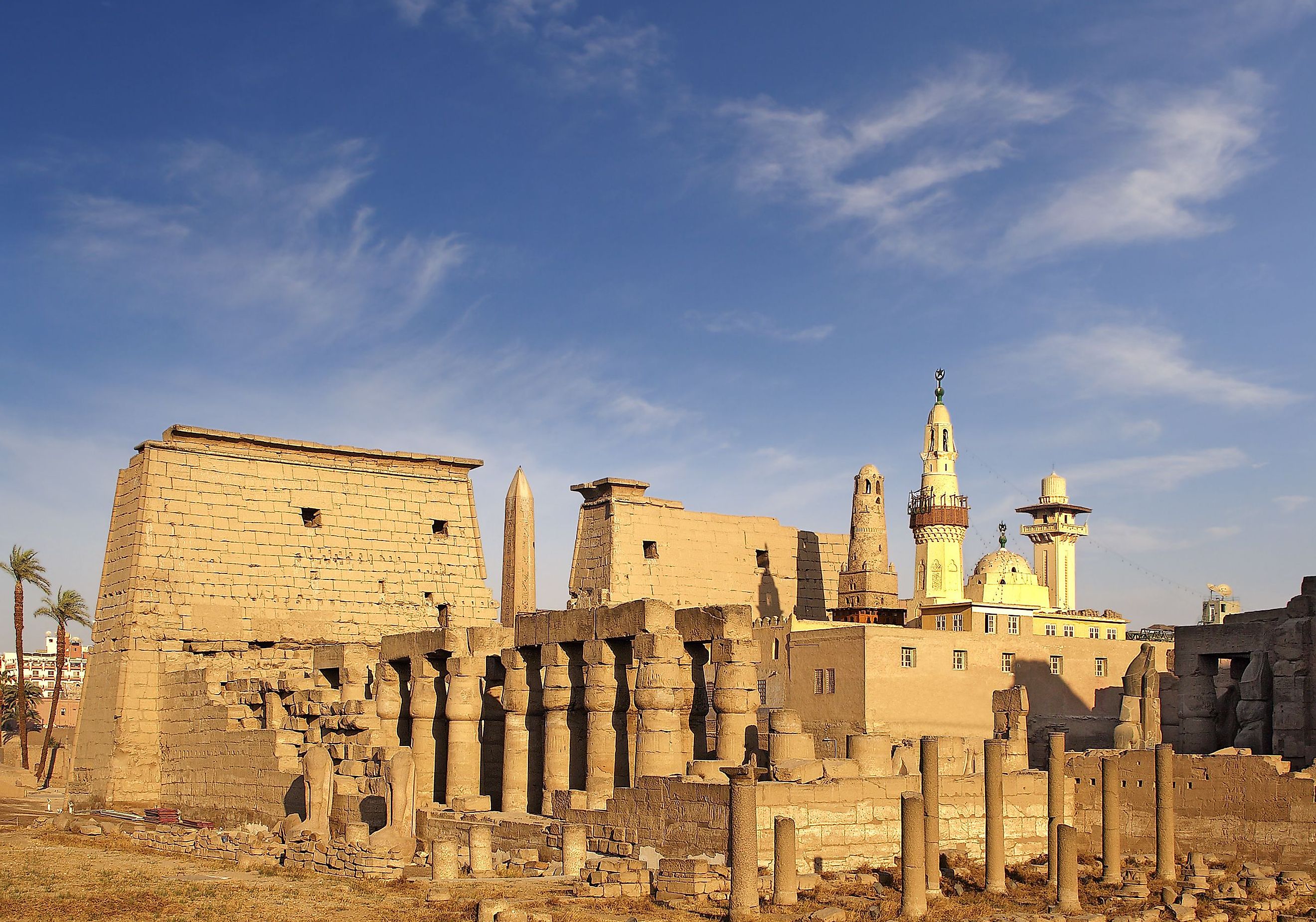
Ancient Greek Art And Architecture At Priscilla Carollo Blog
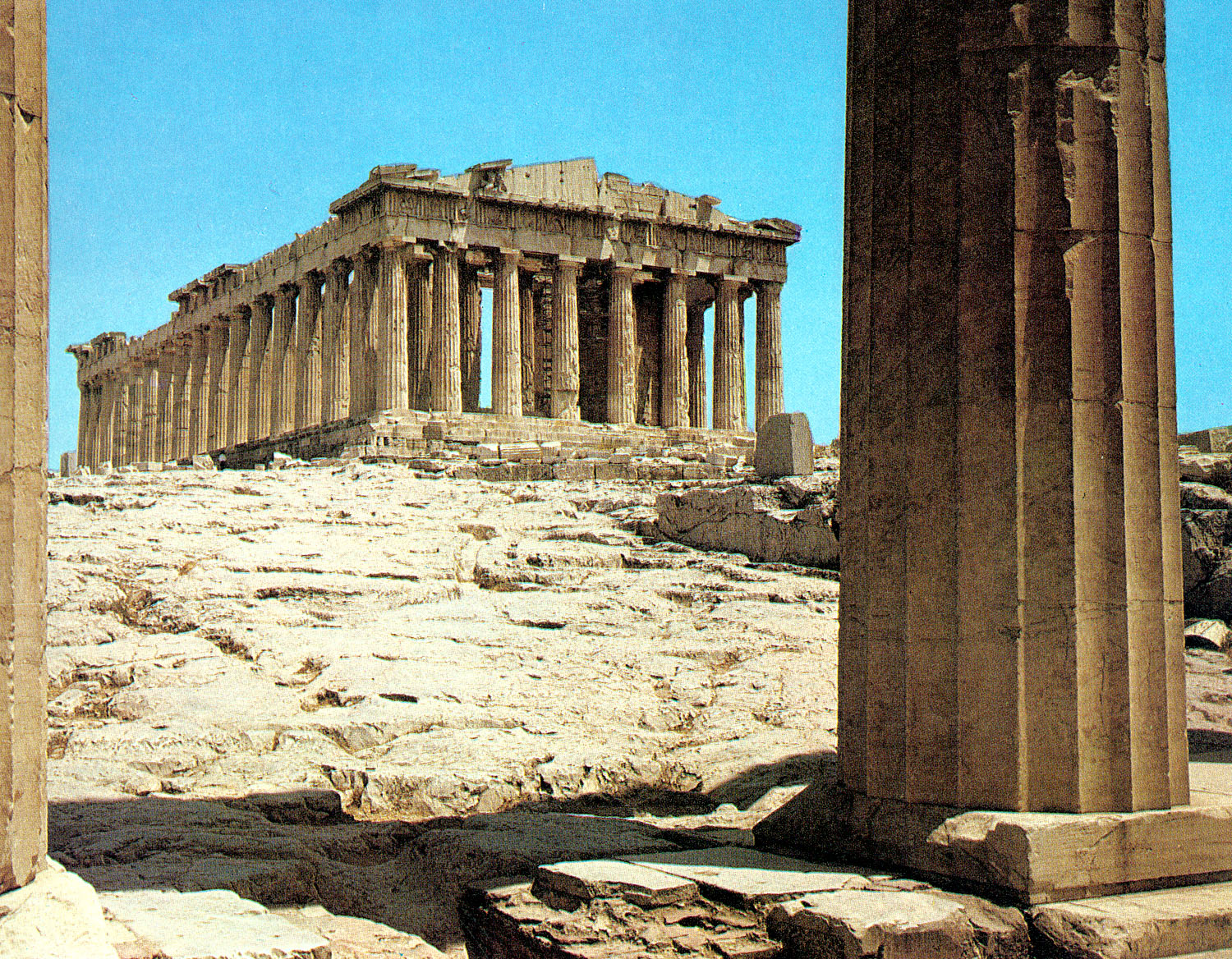
Ancient Greek Art And Architecture at Priscilla Carollo blog
Largest Building In Egypt At Brianna Gellatly Blog
Largest Building In Egypt at Brianna Gellatly blog
Ancient Greek
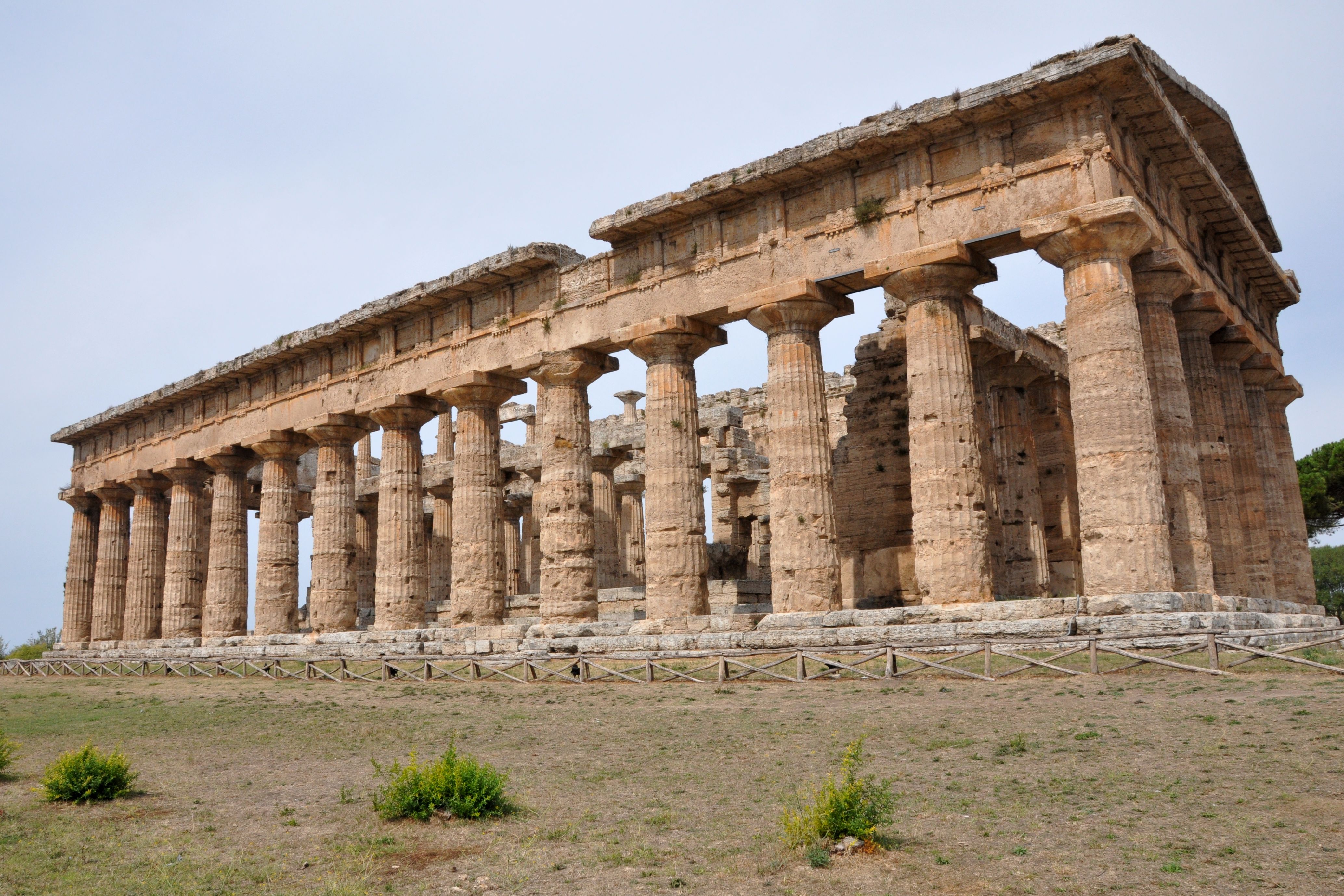
Ancient Greek